Source raw dried peony flower tea for tea blends, health drinks, and herbal remedies
Explore 30 listings for raw dried peony flower tea from suppliers in China. Buyers can compare specifications, certifications, and pricing for loose tea, buds, and petals suitable for adult consumption and various herbal applications.
Key considerations
Products List




Comprehensive Sourcing Guide
Strategic Sourcing Guide for Raw Dried Peony Flower Tea
The global market for raw dried peony flower tea has expanded significantly as buyers seek natural botanicals for both beverage formulation and functional wellness applications. Sourcing this specific commodity requires a disciplined approach that distinguishes between various botanical forms, such as whole petals, buds, and specific cultivars like the "Peony Small Petals" or "Peony Bud Tea" observed in current listings. The procurement process must navigate a complex landscape of product attributes, including color variations ranging from dark pink to natural hues, and diverse processing methods. This guide provides a comprehensive framework for evaluating suppliers, verifying technical specifications, and ensuring compliance with international food safety standards without relying on unverified marketing claims.
Technical Specifications and Product Variants
Understanding the precise technical specifications of raw dried peony flower tea is the foundational step in any sourcing strategy. The product is not a monolithic commodity; rather, it exists in several distinct forms that dictate its end-use application. Based on observed market data, buyers encounter specific product models such as "Peony Petal," "Peony Small Petals," "Peony Bud Tea," and "Peony Flower buds." Each of these variants possesses unique physical characteristics that influence brewing time, flavor profile, and aesthetic presentation in the final cup.
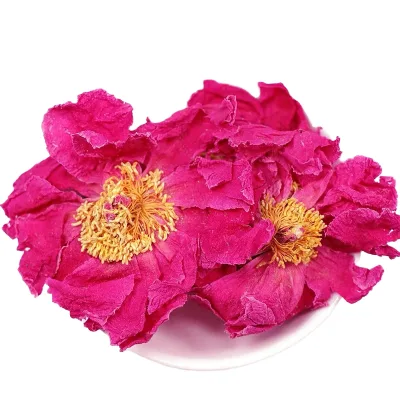
The color of the dried flower is a critical quality indicator. Listings frequently describe the product as "Dark Pink" or "Natural," reflecting the inherent pigmentation of the dried petals. The style of the product is predominantly "Loose Tea," which allows for flexible packaging and portioning. However, the "Product Name" and "Type" fields often reveal a mix of classifications, with some entries identifying the item as "Peony" while others list it as "Lily Flower Tea" or "Violet Flower," indicating that buyers must carefully verify the botanical identity against the specific SKU to avoid misclassification.
The drying process is another vital technical parameter. The observed data indicates an "Ad" drying process, which likely refers to a specific method of air-drying or artificial drying that preserves the structural integrity of the petals. This process directly impacts the retention of volatile aromatic compounds and the visual appeal of the "Dark Pink" coloration. Buyers should request detailed processing logs to confirm that the drying method aligns with the desired moisture content and texture, ensuring the product remains suitable for long-term storage in a "Cool Dry Place."
Compliance, Certification, and Food Safety Standards
In the B2B procurement of edible botanicals, compliance with food safety standards is non-negotiable. The supply chain for raw dried peony flower tea must be backed by robust certification to mitigate risks associated with contamination, pesticide residues, and microbial growth. Current market observations highlight a diverse array of certifications held by suppliers, including ISO22000, HACCP, and Fssc. These standards represent a high level of commitment to food safety management systems and are essential for accessing regulated markets in Europe and North America.
Additionally, some suppliers list certifications such as GMP (Good Manufacturing Practice), Sc, and QS. These are particularly relevant for products intended for the Chinese domestic market or regions with specific regulatory frameworks. The "Food grade" standard is explicitly mentioned as a baseline requirement, confirming that the raw material is safe for human consumption. However, the presence of these certifications on a product listing should be treated as an observation of the supplier's capabilities rather than a guarantee for every unit purchased. Buyers must verify that the specific batch being sourced carries the valid certification documentation.
The distinction between "Herbal Tea" and "Crude Medicine" is also significant in the compliance landscape. While many listings categorize the product as "Tea Flavor" or "Herbal Tea," others describe it with "Medicine Property" claims, such as "Soothing Cough & Removing The Phlegm." When sourcing for medicinal or functional beverage applications, buyers must ensure that the supplier's claims align with the regulatory definitions of the destination country. In many jurisdictions, making therapeutic claims requires specific drug or supplement approvals that go beyond standard food-grade certification. Therefore, verifying the "prod_standard" and ensuring it matches the intended use case is a critical compliance checkpoint.
Cost Drivers and Pricing Dynamics
The pricing of raw dried peony flower tea is influenced by a complex interplay of factors, including the specific product model, packaging requirements, and the scale of the order. The observed price range in the market spans from $0.20 to $27.90 USD, a wide variance that reflects differences in quality, processing, and packaging. This range suggests that the "Peony Small Petals" or "Peony Bud Tea" may command different price points compared to bulk "Peony Petals" or unsorted "Violet Flower" variants.
Minimum Order Quantity (MOQ) is a primary driver of unit cost. The data indicates MOQs ranging from 1 kg to 100 kg, with specific listings showing thresholds of 1 kg, 10 kg, and 50 kg. Smaller MOQs, such as the 1 kg option, often come with a higher per-unit cost due to the overhead of handling and packaging smaller batches. Conversely, larger orders at the 50 kg level may benefit from economies of scale but require significant capital outlay and storage capacity. Buyers must balance their inventory needs against cash flow constraints when negotiating these terms.
Packaging also plays a substantial role in cost determination. Options observed include "Box," "PP Bag+Carton," "Bulk," "500g/Bag," and "1kg/Bag." Custom packaging requests, often listed as "as Per Buyers Request," typically incur additional tooling or setup fees. The choice between a simple "PP Bag" and a premium "Box" packaging can significantly alter the final landed cost. Furthermore, the availability of "Free Sample" or "Free Sample 20g" can reduce the initial cost of evaluation, though buyers should be aware that sample shipments may not reflect the quality or pricing of the bulk order.
Typical Applications and Functional Attributes
Raw dried peony flower tea serves a variety of applications across the food and beverage industry, ranging from standalone herbal infusions to functional ingredients in blended teas. The "Tea Type" is consistently identified as "Flower Tea," and the flavor profile is described as "Tea Flavor," suggesting a mild, floral taste that pairs well with other botanicals. The "Suitable Age" is noted as "Adult/Non-Gender," indicating a broad demographic appeal suitable for general wellness markets.
Beyond its use as a beverage, the product is sometimes categorized under "Crude Medicine" with specific properties such as "Soothing Cough & Removing The Phlegm." This dual identity allows for versatile marketing strategies. In the wellness sector, the product can be positioned as a natural remedy, while in the culinary sector, it serves as a premium ingredient for artisanal teas. The "Dosage" instruction of "Fried Served with Water" provides a traditional preparation method that buyers can incorporate into their product development or consumer education materials.
The "Keyword" "Penoy Flower" and the "Type" "Violet" or "Calendula" found in some listings highlight the importance of accurate botanical identification. While the core keyword is peony, confusion with similar-looking flowers like calendula or violet can occur. Buyers must ensure that the product specifications clearly define the botanical source to avoid formulation errors. The "Storage Note" of "Moisture Proof" is critical for maintaining the integrity of the product in applications where humidity control is essential, such as in dry blends or packaged tea bags.
Supplier Evaluation and Quality Control Protocols
Evaluating suppliers for raw dried peony flower tea requires a rigorous due diligence process that goes beyond surface-level product descriptions. The "Location" of the origin is a key factor, with "Hunan" and "Anhui, China" being prominent sources. These regions are known for their specific agricultural conditions, which influence the flavor and quality of the flowers. Buyers should verify the specific origin of the batch to ensure consistency, as different provinces may produce flowers with varying characteristics.
Quality control should focus on the physical attributes of the product. The "Color" should be consistent with the "Dark Pink" or "Natural" description, and the "Style" should match the "Loose Tea" format. Buyers must inspect the product for foreign matter, ensuring that the "Peony Petals" are free from stems, leaves, or other debris unless specified otherwise. The "prod_packing" method, whether "Bag," "Bulk," or "Carton," must be robust enough to prevent moisture ingress and physical damage during transit.
The availability of "OEM Service" and "Customization" options indicates that suppliers are capable of tailoring products to specific buyer needs. However, buyers should verify the supplier's capacity to maintain quality standards during customization. The "Certificate" list, including ISO22000, HACCP, and Fssc, should be validated through third-party audits or direct contact with the certification bodies. Additionally, the "Sample" availability, particularly the "Free Sample 20g," offers a practical opportunity to test the product's quality before committing to a larger order.
Long-Term Procurement Considerations
Sourcing raw dried peony flower tea is not a one-time transaction but a long-term partnership that requires strategic planning. The "Customization" availability suggests that buyers may need to adjust product specifications over time, such as changing the "prod_model" from "Peony Small Petals" to "Peony Petals- big size" based on market feedback. This flexibility is a valuable asset for buyers looking to adapt their product lines to changing consumer preferences.
Lead times and supply chain resilience are critical considerations. While specific lead times are not provided in the observed data, the "MOQ" ranges suggest that suppliers may have varying production capacities. Buyers should establish clear communication channels regarding production schedules and potential delays. The "Storage" requirement of a "Cool Dry Place" implies that the supply chain must include appropriate logistics and warehousing solutions to maintain product quality from the point of origin to the final destination.
Finally, the "OEM" and "Avaiable" (Available) service options highlight the potential for branding and private label opportunities. Buyers should assess the supplier's ability to support branding efforts, including packaging design and labeling compliance. By focusing on these long-term factors, buyers can build a sustainable supply chain that ensures consistent quality, regulatory compliance, and market responsiveness for raw dried peony flower tea.
| Attribute | Observation | Procurement Action |
|---|---|---|
| Product Model | Peony Small Petals, Peony Bud Tea, Peony Petals | Verify specific SKU against botanical requirements. |
| Certification | ISO22000, HACCP, Fssc, GMP, Sc, QS | Request valid certificates and audit reports for specific batches. |
| MOQ | 1 kg, 10 kg, 50 kg, 100 kg | Balance inventory needs with cash flow and storage capacity. |
| Origin | Hunan, Anhui, China | Confirm specific province for consistency in flavor and quality. |
| Packaging | Box, PP Bag+Carton, Bulk, 500g/Bag | Select packaging that ensures moisture protection and brand alignment. |
| Color | Dark Pink, Natural | Inspect samples for color consistency and absence of discoloration. |
| Standard | Food grade | Ensure documentation confirms food-grade status for intended market. |
FAQs
What certifications do raw dried peony flower tea suppliers hold?
Suppliers typically hold ISO22000, HACCP, and Fssc certifications for food safety. Some also provide GMP, Sc, and QS certificates, particularly for domestic markets. Buyers must verify that specific batches carry valid documentation to ensure compliance with international standards.
How is raw dried peony flower tea packaged for shipment?
Packaging options include boxes, PP bags with cartons, and bulk bags. Specific configurations like 500g or 1kg bags are available, and custom requests can be accommodated. The packaging must be moisture-proof to maintain product integrity during storage and transit.
Which product models are available for raw dried peony flower tea?
Available models include Peony Small Petals, Peony Petals, Peony Bud Tea, and Peony Flower buds. Variants also exist for larger sizes and specific flower types like Lily or Violet. Buyers should confirm the exact botanical model to avoid misclassification in their orders.
Can buyers obtain free samples of raw dried peony flower tea?
Yes, free samples are available, often provided as 20g portions. Some listings offer standard free samples to allow quality evaluation before bulk purchasing. These samples help verify color, texture, and drying process without immediate financial commitment.
What are the typical MOQs for raw dried peony flower tea orders?
Minimum Order Quantities range from 1 kg to 50 kg depending on the supplier and product model. Smaller orders like 1 kg may have higher unit costs, while larger orders of 50 kg benefit from economies of scale. Buyers must balance inventory needs with these thresholds.
Where is raw dried peony flower tea typically sourced from?
Primary origins include Hunan and Anhui provinces in China. These regions provide specific agricultural conditions that influence the flower's flavor and quality. Buyers should verify the specific province of origin to ensure consistency and traceability in their supply chain.
How should raw dried peony flower tea be stored?
The product must be stored in a cool, dry place to prevent moisture damage. Storage notes emphasize moisture-proof conditions to maintain the natural color and texture. Proper storage is critical for preserving the tea's quality and extending its shelf life.